Learning Science How to Build Mental Models for Complex Topics
Learn how to build powerful mental models that make complex topics understandable. Discover techniques using analogies, examples, and cross-domain transfer.
How to stop running out of time on exams: prevention habits, a last 5 minutes recovery plan, and which questions to answer first when time collapses.
Learn the keyword method for foreign vocabulary: build sound-alike images, lock them in with spaced repetition, and know when context sentences work better.
Build a paper spaced repetition system with index cards, a Leitner box, or a calendar, and learn when a manual SRS beats digital flashcard apps.
Turn Kindle highlights into real study review: export them, convert them into active recall questions, and build a long-term library of book knowledge.
Study epidemiology for public health exams: master study design and bias, drill incidence, prevalence, RR and OR, and answer interpretation questions.
No results found
Try different keywords
Page 5 of 13 — 368 articles total
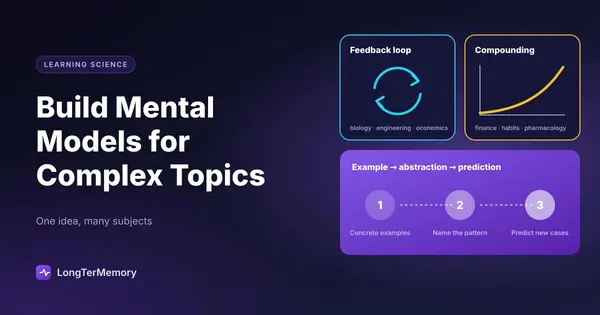
Learning Science Learn how to build powerful mental models that make complex topics understandable. Discover techniques using analogies, examples, and cross-domain transfer.
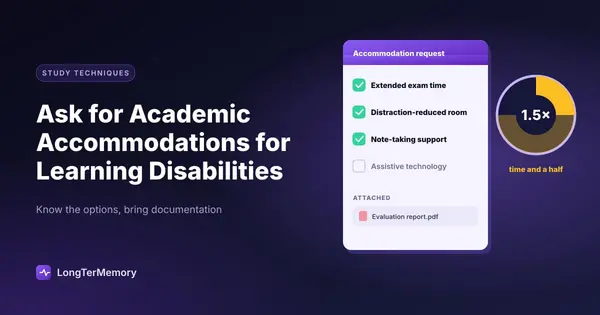
Study Techniques A practical guide to requesting academic accommodations for learning disabilities, covering documentation, common supports, and using them without guilt.
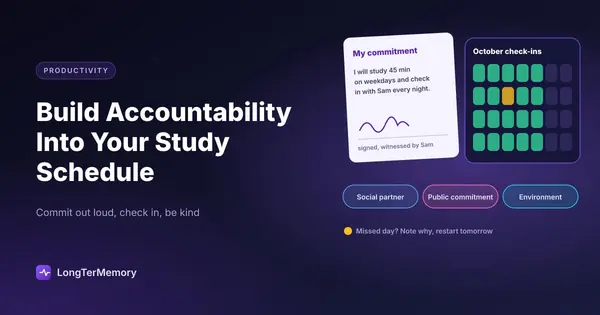
Productivity Discover proven accountability structures that help you follow through on study goals, from study partners to public commitments that match your personality.
Study Techniques Feeling overwhelmed? Learn a step-by-step system to build a study plan from scratch, prioritize what matters, and schedule your prep one week at a time.
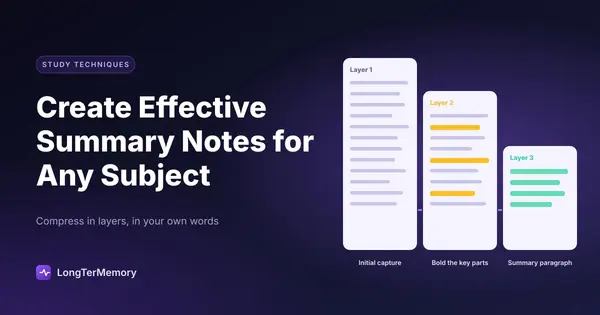
Study Techniques Learn how to create summary notes that boost retention and cut review time. Discover progressive summarization and spaced review techniques that actually work.
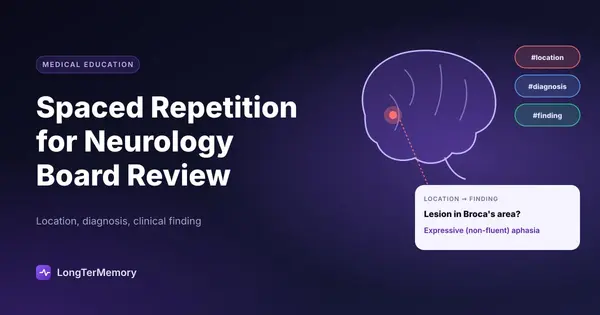
Medical Education Master neurology board review with spaced repetition. Build high-yield decks, organize by diagnosis and anatomy, and pair SRS with clinical case reasoning.
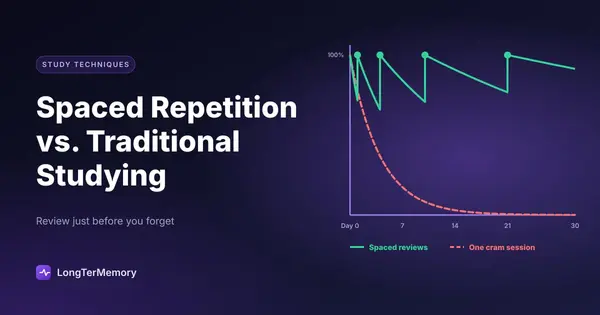
Study Techniques Explore the research on spaced repetition vs traditional studying, learn when each method works best, and discover hybrid strategies for maximum retention.
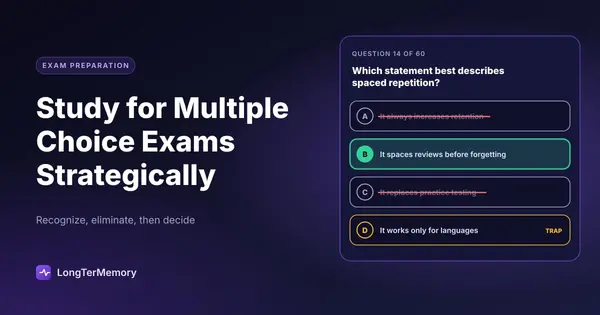
Exam Preparation Master multiple choice exams with strategic study techniques, elimination methods, and practice approaches built specifically for MCQ success.
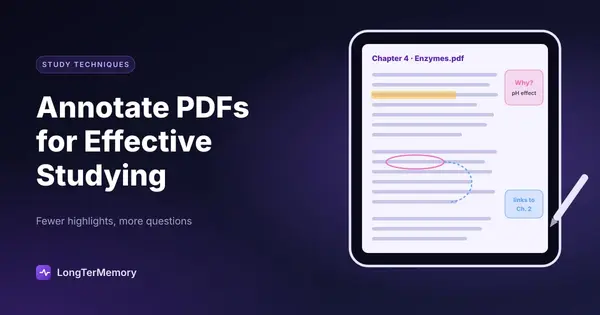
Study Techniques Learn helpful PDF annotation techniques, discover the best tools for any device, and turn your digital notes into active recall triggers.
Exam Preparation A complete guide to high school finals prep with multi-subject planning, active recall techniques, and stress management for students in grades 9 through 12.
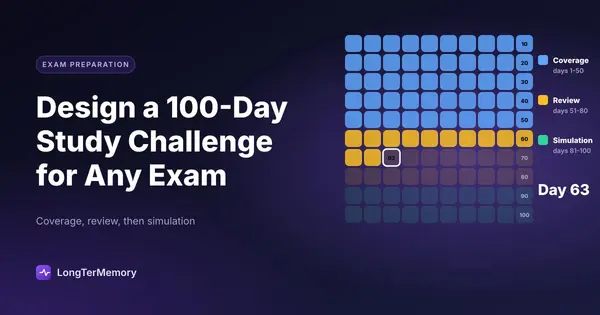
Exam Preparation A phase-by-phase framework for structuring 100 days of exam prep, with daily targets, weekly milestones, and a plan for when you fall behind.
Study Techniques Discover how a growth mindset can transform your academic performance with science-backed strategies from Carol Dweck's research and practical daily habits.
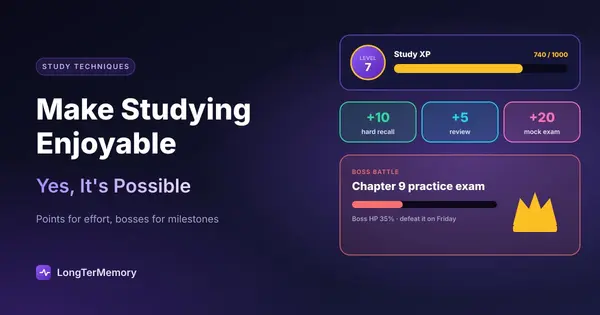
Study Techniques Practical gamification, meaning-making, and ritual techniques that make studying feel less like a chore and more like something you actually want to do.
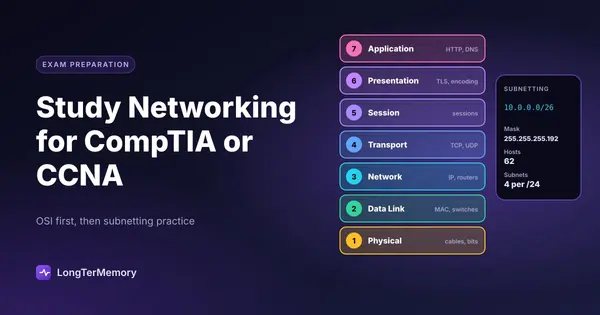
Exam Preparation Master the OSI model, subnetting, and hands-on labs with a study plan built specifically for CompTIA Network+ and Cisco CCNA exam success.
Study Techniques How many pages can you memorize in a day? Most people can retain 5-20 dense pages with active recall. Learn what affects your number and how to maximize it.
Study Tools Learn how to pick the right Coursera or edX course, audit them for free, and turn video lectures into retained knowledge with active recall.
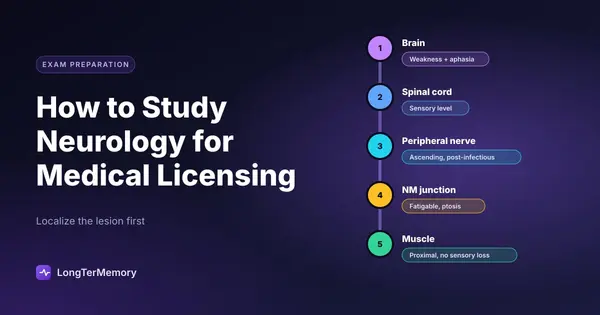
Exam Preparation A practical guide to studying neurology for USMLE and medical boards: lesion localization, high-yield presentations, and anatomy-based reasoning.
Study Techniques Learn how problem-based learning works for self-directed study, how to design effective study scenarios, and how to combine PBL with note-based methods.
Exam Preparation How to study for exams in one night: what's realistic, which topics to cover first, and why sleep beats an all-nighter.
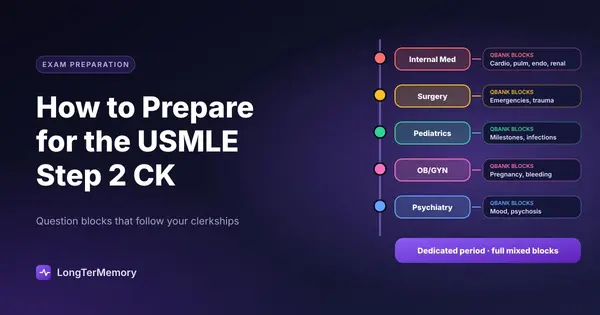
Exam Preparation A clinical-focused USMLE Step 2 CK study plan: how it differs from Step 1, integrating UWorld with clerkships, and using spaced repetition for algorithms.
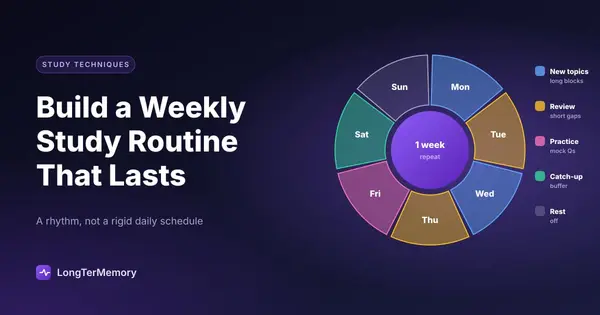
Study Techniques Stop rebuilding your study schedule every Sunday. Learn how to design a weekly study rhythm that survives real life and actually sticks.
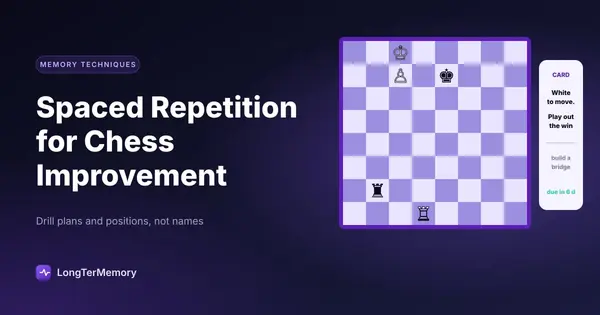
Memory Techniques Discover which chess knowledge actually benefits from spaced repetition flashcards, and how to build opening, endgame, and tactics decks that stick.
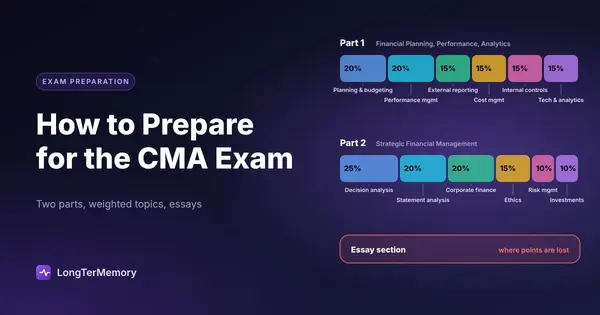
Exam Preparation A practical CMA exam study plan covering both parts, content weighting, essay prep, and how to actually retain the material long enough to pass.
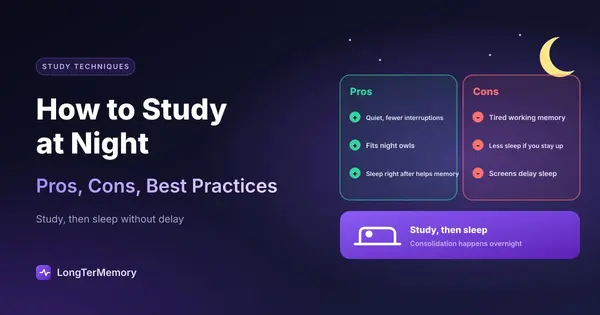
Study Techniques Is studying at night actually bad for you, or just misunderstood? Here's the real trade-off, and how to make late-night study sessions work.
Study Techniques A practical guide to mastering IR theory, connecting current events to abstract frameworks, and writing stronger political science exam essays.
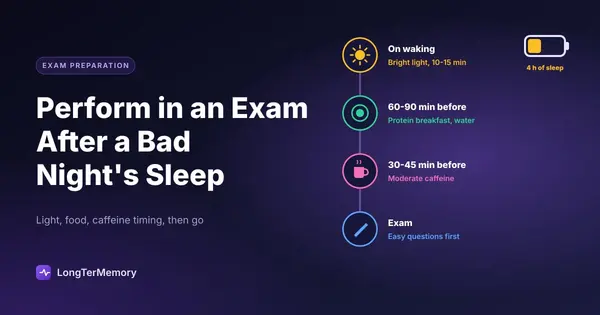
Exam Preparation Didn't sleep before your exam? Here's what sleep deprivation actually does to your brain, and the specific steps to protect your performance anyway.
Study Techniques Learn how to design a personal learning system that scales over decades, combining reading, courses, and spaced repetition into one lasting habit.
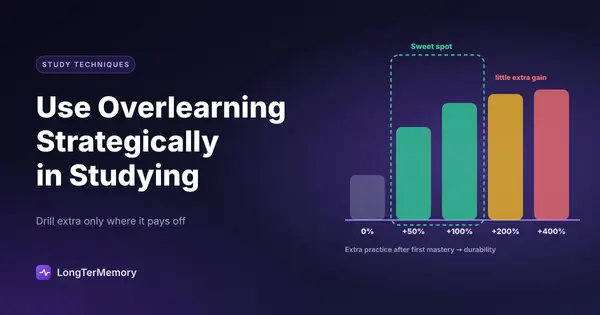
Study Techniques Learn when overlearning past mastery pays off, when it wastes time, and how to decide which topics deserve extra drilling before an exam.
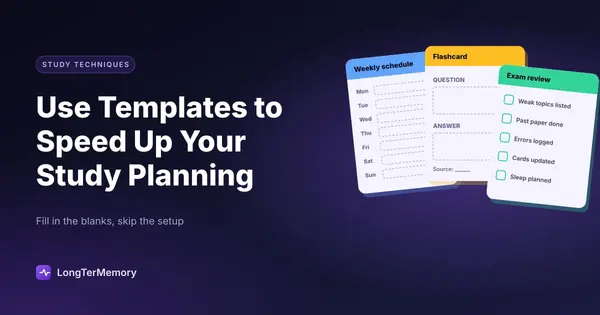
Study Techniques Stop rebuilding your study plan from scratch every week. Learn how templates for schedules, flashcards, and reviews remove friction from studying.
Exam Preparation A practical CFA Level II study plan: how it differs from Level I, how to master item sets, and which topics deserve your limited prep time.