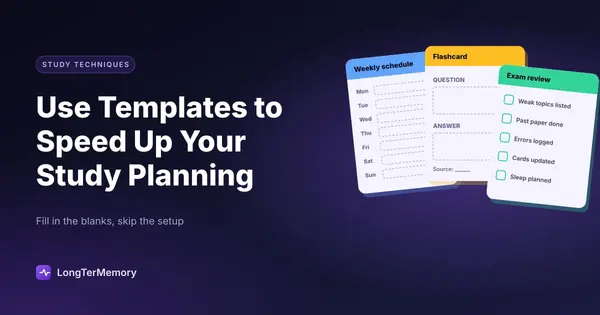
Study Techniques How to Use Templates to Speed Up Your Study Planning
Stop rebuilding your study plan from scratch every week. Learn how templates for schedules, flashcards, and reviews remove friction from studying.
The best study apps for students in 2026, compared by job: flashcards (Anki, Quizlet, Brainscape), notes (Notion, Obsidian, RemNote) and focus blockers.
A realistic 300-hour CFA Level 1 study plan: topic weights, why Ethics, FRA and Quant matter most, and when to switch from end-of-chapter questions to mocks.
A TOEFL iBT study plan for the 2026 format: sections, task types and the new 1-6 score scale, strategies for each skill, and how to use practice tests well.
Pass the CKAD: the 2-hour hands-on format, the Kubernetes concepts tested most, kubectl speed tricks, and how to use killer.sh and a home lab to practice.
Build stamina for a long professional exam: full-length endurance training, a break plan for multi-hour tests, and nutrition, hydration and pacing that hold.
No results found
Try different keywords
Page 3 of 6 — 152 articles about study techniques
Study Techniques Stop rebuilding your study plan from scratch every week. Learn how templates for schedules, flashcards, and reviews remove friction from studying.
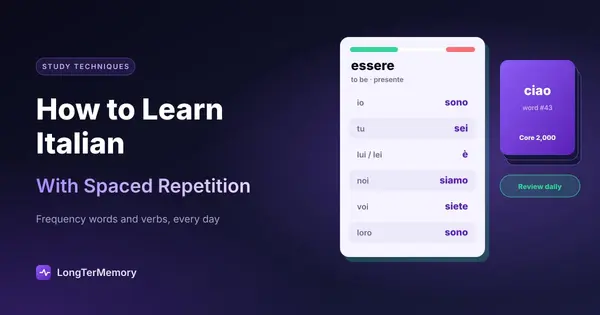
Study Techniques Learn how spaced repetition builds real Italian fluency faster, with vocabulary strategies, frequency lists, and immersion tips that actually stick.
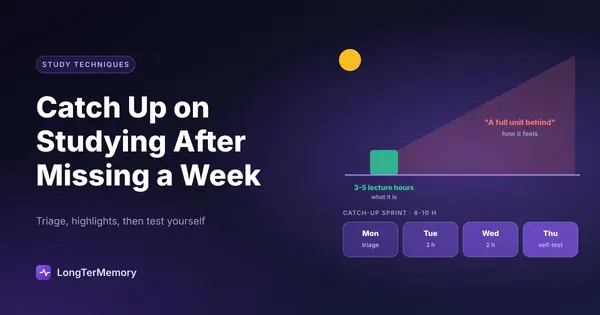
Study Techniques Fell a week behind on studying? Here's how to realistically assess the gap, run a focused catch-up sprint, and get back on schedule without burning out.
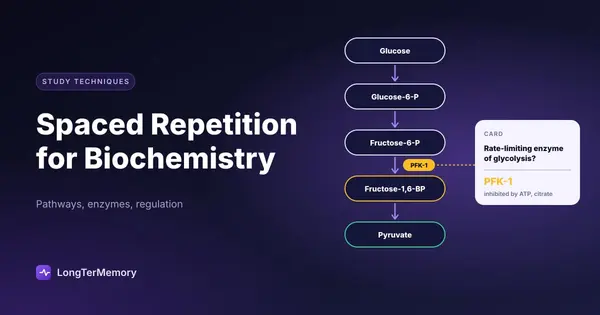
Study Techniques Master biochemistry with spaced repetition: which content belongs on flashcards, how to build pathway decks, and linking biochem to clinical relevance.
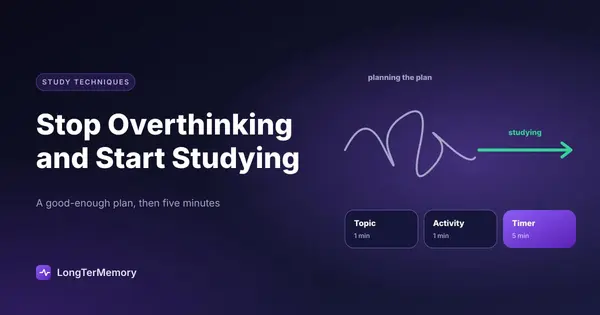
Study Techniques Break out of study paralysis: why overthinking your study plan is avoidance in disguise, and how a good-enough plan plus action beats anxiety every time.
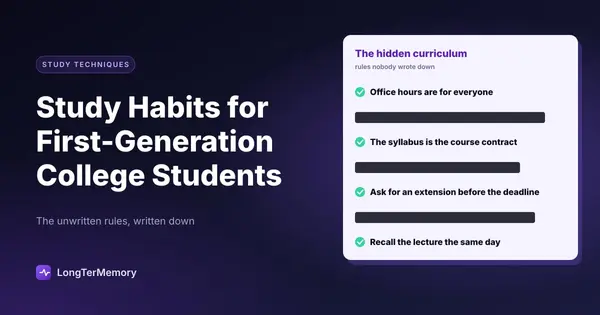
Study Techniques A practical guide to college study habits for first-generation students: the hidden curriculum, building a study system from scratch, and campus resources.
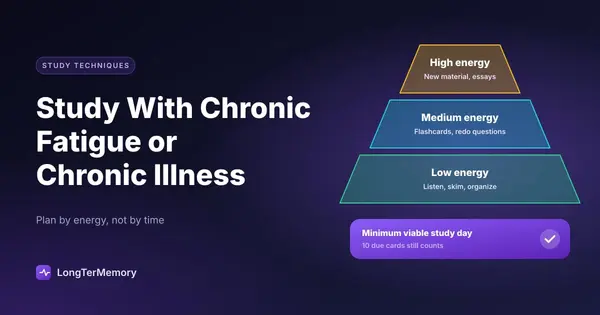
Study Techniques Practical, science-backed strategies for studying with chronic fatigue or illness: energy-based planning, short high-value sessions, and accommodations.
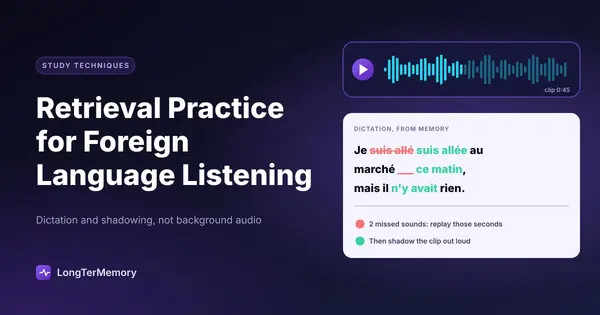
Study Techniques Most listening practice is passive. Learn how dictation, shadowing, and retrieval-based drills build real foreign language listening comprehension.
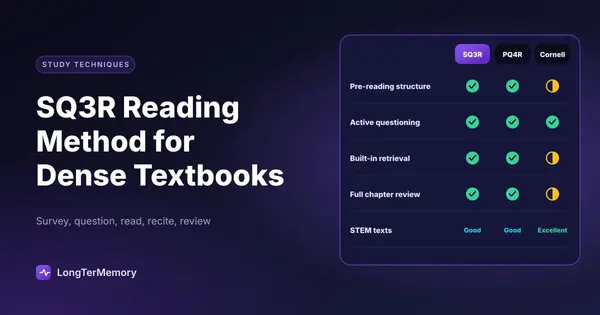
Study Techniques Master the SQ3R reading method to tackle dense textbooks with active engagement, better comprehension, and long-term retention.
Study Techniques Discover how using debate as a study technique deepens understanding in humanities subjects and helps you ace exams through argumentation.
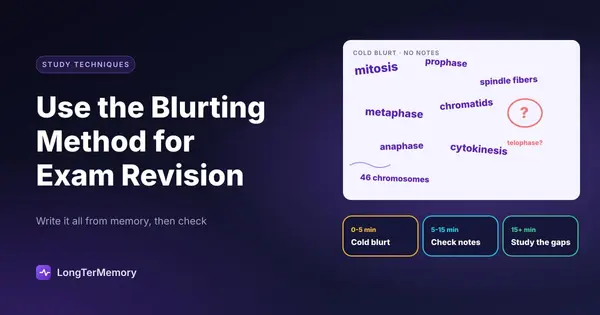
Study Techniques The blurting method turns passive review into powerful retrieval practice. Learn how this technique exposes knowledge gaps and builds exam confidence.
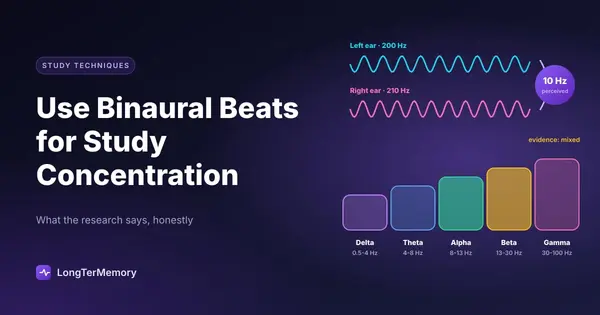
Study Techniques Learn whether binaural beats actually improve focus while studying, which frequencies work best for different tasks, and how to use them effectively.
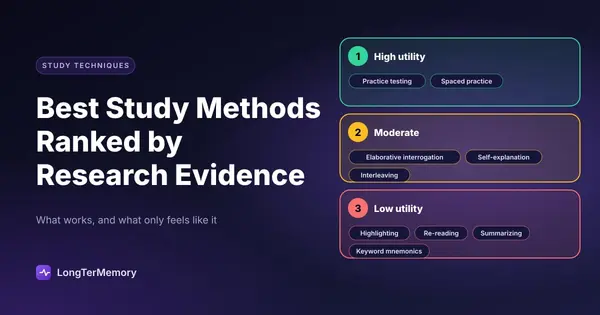
Study Techniques Not all study methods are equal. See how retrieval practice, spaced repetition, and other techniques rank according to decades of learning science research.
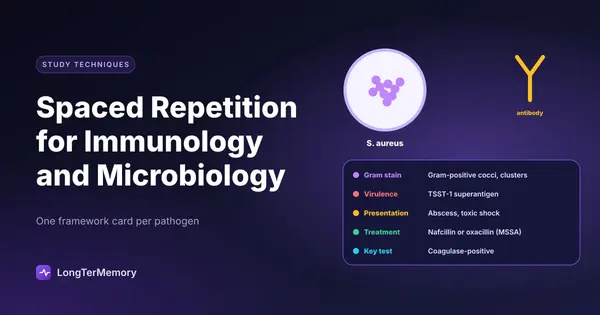
Study Techniques Master immunology and microbiology with spaced repetition. Build high-yield flashcard decks, organize pathogens, and combine SRS with clinical reasoning.
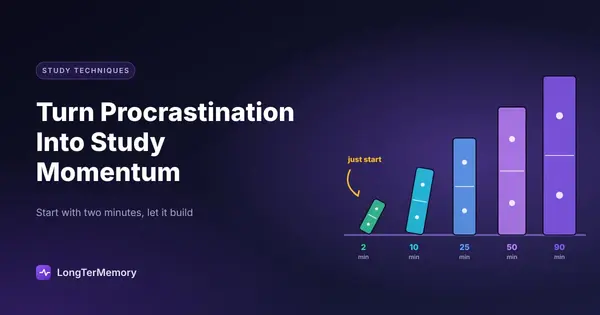
Study Techniques Stop waiting to feel ready. Learn the behavioral chain, Zeigarnik effect, and environmental triggers that convert procrastination into real study momentum.
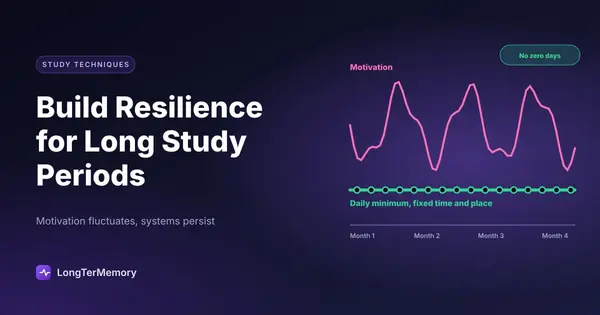
Study Techniques Motivation fades. Life gets in the way. Here's how to build the mental resilience and systems that keep you studying consistently over months, not just days.
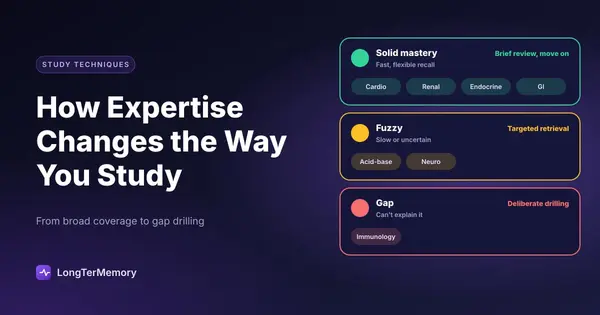
Study Techniques As you gain expertise in a subject, how you study and remember needs to evolve too. Here's what the research says about learning at an advanced level.
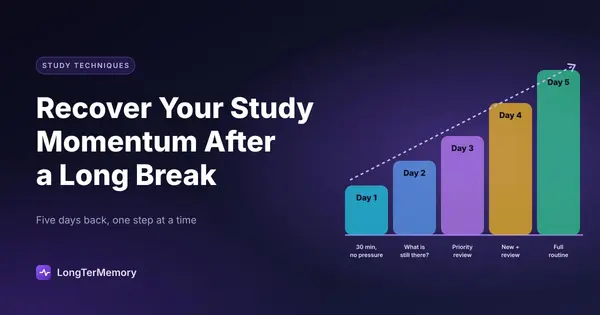
Study Techniques Took a long break from studying? Here's a practical, step-by-step plan to rebuild your momentum, find your rhythm again, and come back stronger.
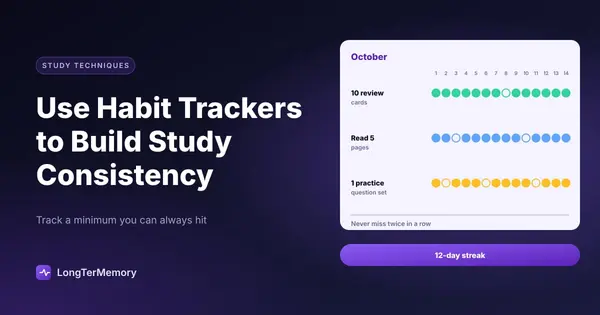
Digital vs. paper habit trackers, setting the right minimum study habit, and what your tracking data actually reveals about your study patterns.
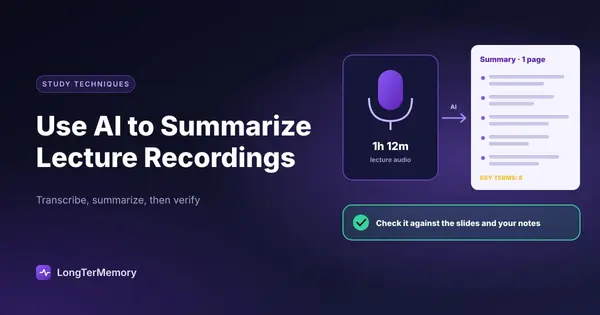
Study Techniques Learn which AI tools transcribe and summarize lecture recordings automatically, and how to combine AI summaries with active recall for real learning.
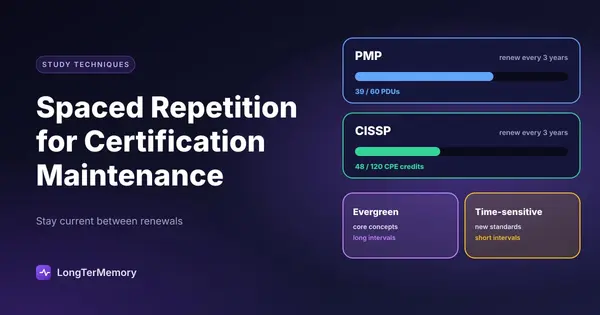
Study Techniques Keep your professional certifications current with spaced repetition. Learn how SRS helps you meet CPE requirements and prevent knowledge decay.
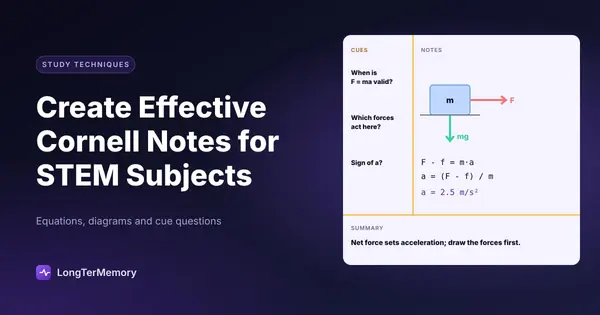
Study Techniques Adapt the Cornell note-taking method for math, science, and engineering courses, and turn your notes into powerful self-testing study material.
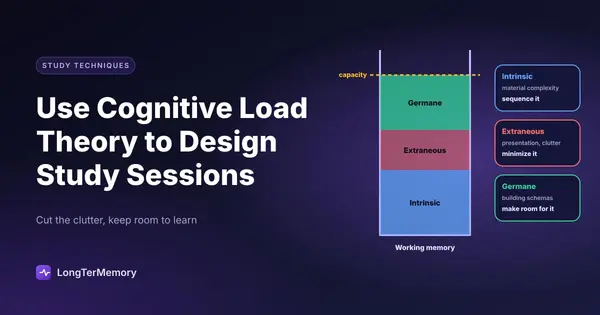
Study Techniques Discover how cognitive load theory explains why some study sessions feel overwhelming, and how to design sessions that maximize what you actually learn.
Study Techniques Learn how to study AI fundamentals effectively, from machine learning basics to deep learning and NLP, without needing a mathematics PhD.
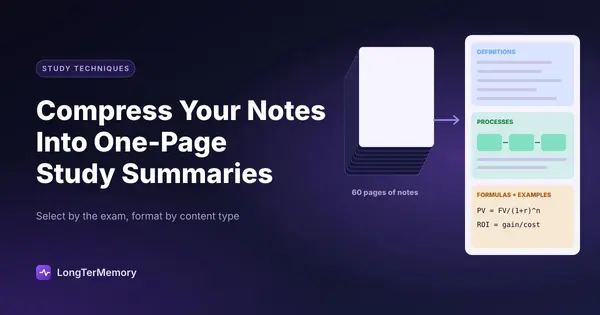
Study Techniques Learn how to compress your notes into powerful one-page study summaries that boost retention and make last-minute review fast and effective.
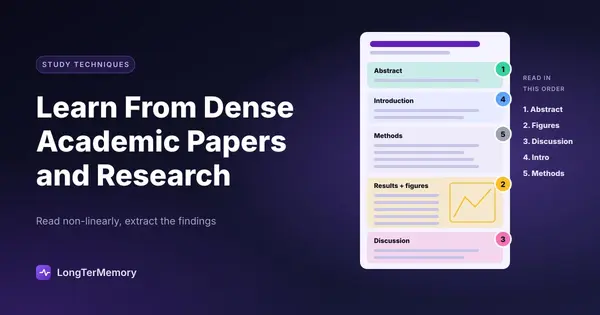
Study Techniques Learn how to read dense academic papers effectively, extract core findings, and build a retention system so research knowledge actually sticks.
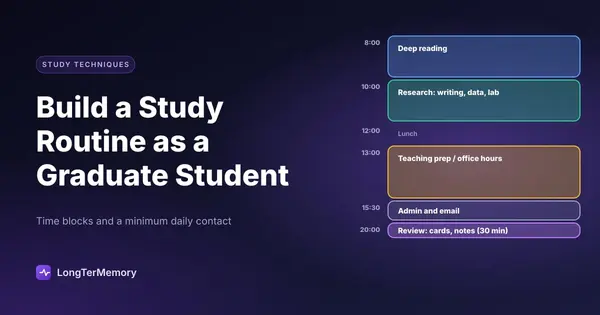
Study Techniques Build a sustainable graduate school study routine that balances coursework, research, and teaching while developing long-term independent learning habits.
Study Techniques Practical strategies to study subjects you hate, from reframing boring material to gamification and minimum-viable engagement for passing without loving it.
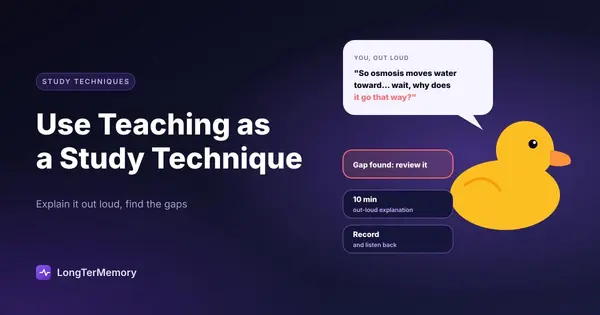
Study Techniques Discover why teaching others is the most powerful study method and how to use peer teaching to lock information into long-term memory.
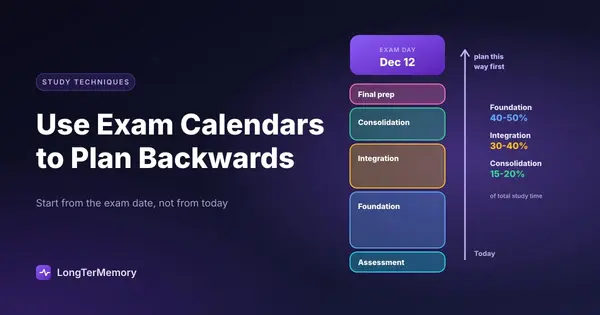
Study Techniques Backward planning from your exam date is the most effective way to organize study time. Here's how to build a calendar that actually works.